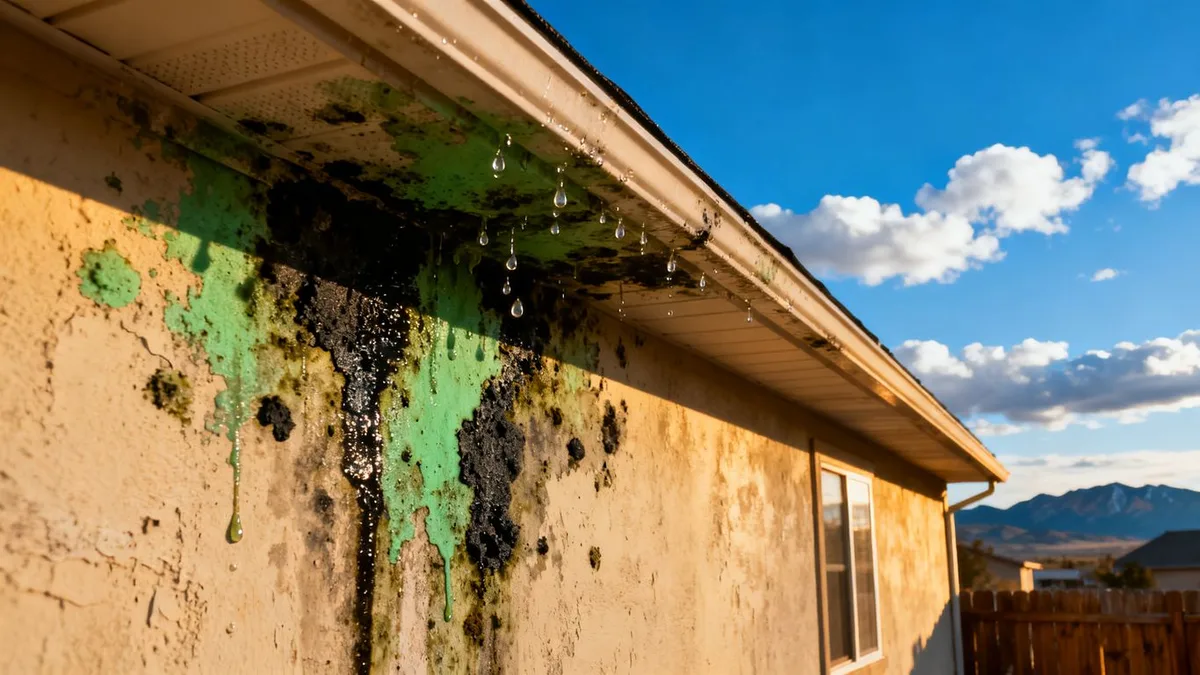
Finding mold in your Colorado home can be a real headache, and you're probably wondering if your homeowners insurance will pick up the tab for getting rid of it. It's not always a simple yes or no answer. The rules around mold coverage in Colorado can be confusing, and a lot of it depends on what caused the mold in the first place. Here's how to read your policy without getting blindsided.
Understanding Mold Coverage in Colorado Homeowners Insurance
Finding mold in your home can be a real headache, and one of the first things you'll probably wonder is if your homeowners policy in Colorado will help cover getting rid of it. The short answer? It's complicated. Most standard policies don't automatically cover mold remediation, but there are situations where it might be covered. It really depends on what caused the mold in the first place.
When Mold Damage Is Typically Covered
Generally, your insurance company is more likely to cover mold if it's a direct result of a sudden and accidental event that's also covered by your policy. Think about things like:
- A pipe bursting unexpectedly and causing water damage that leads to mold.
- A storm causing damage to your roof, leading to water intrusion and subsequent mold growth.
- A malfunction in an appliance, like a washing machine hose breaking, that causes a flood.
- Water used to put out a fire in your home that then leads to mold.
If the mold stems from one of these covered perils, your policy might help pay for remediation and related repairs. This is where understanding your policy's covered perils is important. If you're in Denver and dealing with a situation like this, a thorough professional mold inspection can document the extent of the damage for your claim.
Situations Where Mold Coverage Is Often Denied
On the flip side, insurance companies are usually quick to deny claims when the mold is due to issues they consider preventable or related to neglect. This often includes:
- Long-term leaks: If you knew about a leaky faucet or a slow roof leak for a while and didn't fix it, the resulting mold is typically not covered.
- Poor maintenance: Not taking care of your home — like ignoring clogged gutters or visible signs of water damage — can lead to mold that your insurance won't cover.
- Flooding from external sources: If mold develops after a flood that wasn't caused by a sudden internal pipe burst (like rising river water), you'll likely need separate flood insurance for coverage.
- High humidity: While not always a direct denial, consistently high indoor humidity that leads to mold, without an underlying covered event, can be problematic.
Basically, if the mold grew because of something you could have reasonably prevented or fixed, expect your insurer to deny the claim.
The Role of Perils in Mold Claims
Perils are essentially the causes of damage that your insurance policy covers. When it comes to mold, the peril that caused the mold is the key factor. Your policy likely lists specific perils it covers, such as fire, windstorms, hail, and certain types of water damage. If mold is a secondary issue that arises directly from one of these covered perils, your insurance might step in. However, if the mold is caused by a peril that's excluded from your policy — like gradual seepage or flood damage without specific coverage — then you're probably on your own for the remediation costs. It's a domino effect; the initial cause has to be something your insurance agrees to cover for the subsequent mold damage to be considered.
Understanding the specific language in your policy regarding water damage and mold exclusions is vital. Don't just assume mold is never covered; investigate the root cause of the moisture.
When you're trying to figure out if your situation qualifies, especially if you're in Denver, it's all about tracing that initial cause back to a covered event. The color of the mold — like black mold — doesn't usually determine coverage; it's the why behind its growth that matters most for your mold coverage in Colorado.
Key Factors Influencing Mold Coverage
When it comes to mold damage and your homeowners insurance in Colorado, not all situations are treated the same. The insurance company looks at a few specific things to decide what, if anything, they'll pay for. It's not just about the mold itself, but how it got there and what happened around it.
Sudden and Accidental Water Damage vs. Gradual Leaks
This is probably the biggest factor. Most policies are designed to cover damage that happens suddenly and unexpectedly. Think of a pipe bursting in your wall or a washing machine hose breaking. If mold grows as a direct result of that kind of sudden and accidental event, you're more likely to have your claim approved. The key here is that the water damage itself was covered by your policy.
On the flip side, damage that happens slowly over time is usually not covered. This includes things like a slow, unnoticed leak from your roof that's been dripping for months, or condensation that's built up because of poor ventilation. Insurance companies see these as maintenance issues, not sudden accidents. They figure if the leak was there for a long time, you should have noticed and fixed it.
Here's a simple way to think about it:
- Covered: A pipe bursts, water floods the bathroom, and mold starts growing within days. The burst pipe is the covered event.
- Not Covered: A small crack in the foundation lets water seep in over years, leading to mold in the basement. This is considered gradual damage.
Homeowner Neglect and Maintenance Issues
Insurance policies are meant to protect you from unexpected disasters, not from the consequences of not taking care of your home. If mold is found and it's clear that it happened because of poor maintenance or neglect, your claim will likely be denied. This could mean:
- Not fixing a leaky roof for an extended period.
- Ignoring signs of water damage or dampness.
- Failing to properly maintain plumbing or appliances.
- Not addressing condensation issues in areas like bathrooms or kitchens.
Insurance companies often require you to show that you've been reasonably diligent in maintaining your property. Regular check-ups and prompt repairs are your best defense against this type of denial. If you're unsure about the condition of your home, getting a professional mold inspection in Denver can help identify potential problems before they become major issues.
The Impact of Mold Location on Coverage
Where the mold is located in your home can also play a role. Mold that is easily visible and directly linked to a covered water loss is more likely to be considered for coverage. For instance, mold growing on a wall after a pipe burst in that wall is a clearer case.
However, mold that is hidden deep within walls, in your HVAC system, or in crawl spaces can be trickier. While a covered event might have caused it, the difficulty in accessing and remediating hidden mold can sometimes lead to coverage disputes. It can be harder to prove the exact cause and extent of the damage when it's not in plain sight. This is where detailed reports from professionals become really important for your claim. If you need help finding qualified professionals to deal with mold, Denver Remediation Pros connects homeowners with local licensed experts.
What Parts of a Mold Claim May Be Covered
Okay, so you've found mold. It's a bummer, and your first thought might be, "Is this covered?" The answer isn't always a simple yes or no. It really depends on why the mold showed up in the first place. If it's linked to a sudden, accidental water problem that your policy does cover, then you're in a better spot.
Mold Remediation Tied to a Covered Water Loss
This is the big one. If a pipe bursts, an appliance leaks unexpectedly, or a storm causes water damage that leads to mold, your insurance company might cover the mold cleanup. The key is that the mold must be a direct result of a covered event. Think of it like this: the water damage is the primary problem, and the mold is a secondary issue stemming from it. Your policy likely won't cover mold that's been brewing for ages due to poor maintenance, but a sudden event? That's different.
Coverage for Associated Repairs and Property Damage
Beyond just the mold itself, your policy might also pay for the mess the water and mold made. This could include:
- Tearing out and replacing damaged drywall, insulation, or flooring.
- Repairing or replacing cabinets or other built-in structures.
- Drying out the affected areas to prevent further moisture problems.
- Cleaning or replacing personal items that were damaged by the same water event.
It's not just about the mold; it's about restoring your home to how it was before the covered incident happened.
Additional Living Expenses During Remediation
If the mold damage is so bad that you can't safely live in your home while the cleanup and repairs are happening, your insurance might cover the costs of staying somewhere else. This is often called "Additional Living Expenses" or "Loss of Use" coverage. It can help pay for hotel stays, meals, and other necessary expenses while your home is being fixed. It's a lifesaver when you're displaced, but it usually only kicks in if the reason you had to leave was a covered loss. If you're dealing with mold in a basement or crawl space, a professional inspection of the affected area can help determine the extent of the damage and what might be covered.
Need to document mold for an insurance claim?
A professional inspection report — moisture readings, photos, and lab results when appropriate — gives your insurer a clear, objective picture of the damage. Talk to a local pro before your adjuster shows up.
Exploring Additional Mold Coverage Options
So, your standard homeowner's policy might not cover mold damage, or at least not fully. That can feel like a real bummer, especially if you live in an area where mold is a common problem. But don't despair just yet — there are ways to beef up your protection. It often comes down to understanding what's not covered and then looking for ways to add that coverage.
Understanding Mold Endorsements and Add-Ons
Think of an endorsement as a little extra something you can add to your existing insurance policy. For mold, this is often called a "mold endorsement" or "mold rider." Most standard policies exclude mold, but these add-ons can provide limited coverage. They usually come with a cap, like $10,000 or $25,000, so it's not unlimited, but it's definitely better than nothing. It's especially worth looking into if you're in a humid climate or a place prone to water issues. You'll pay a bit more for this extra protection, but it can save you a lot of headaches and money down the road.
Reviewing Flood Insurance for Mold Coverage
If you live in a flood-prone area, your standard homeowner's policy probably won't cover flood damage, and by extension, any mold that pops up because of it. That's where flood insurance comes in. You'll need a separate flood policy for that. But here's the kicker: not all flood insurance policies automatically cover mold damage that results from a flood. You really need to check the specifics of your flood policy. If it doesn't include mold, see if you can add it on. It's a separate consideration from your main home insurance, so don't assume it's covered.
Adding Specific Mold Coverage to Your Policy
Sometimes, you can get specific mold coverage added to your homeowner's policy, even if it's not a general "mold endorsement." This might be a more tailored option. The key is to talk to your insurance agent or company directly. Ask them what options are available for mold protection in your specific area. They can explain the costs and the limits of what would be covered. It's all about being proactive and making sure your policy actually fits your home's risks. Getting a professional inspection can help you understand the risks first — Denver Remediation Pros can connect you with a local mold contractor in your area.
Here's a quick rundown of what to ask about:
- What is the maximum payout for mold damage with this add-on?
- Does it cover the cost of testing and inspection?
- Are there any specific exclusions I should be aware of?
- How does this coverage interact with other types of water damage claims?
It's easy to think that once mold appears, your insurance is just going to handle it. But the reality is often more complicated. Insurance companies look at the cause of the mold and when it started. If it's due to something sudden and accidental that's covered by your policy, you've got a better chance. But if it's from years of neglect, like a leaky roof you never fixed, they'll likely deny the claim. So being proactive with home maintenance is your first line of defense.
Proactive Steps to Prevent Mold Issues
Nobody wants to deal with mold. It's gross, it can be bad for your health, and dealing with it can get expensive, especially if your insurance doesn't cover it. The best approach? Try to stop it before it even starts. A little bit of effort now can save you a whole lot of headaches later.
Maintaining Indoor Humidity Levels
Mold really loves damp places. Keeping the humidity in your home at a good level is a big step in preventing it. Ideally, you want to keep it below 60%, but the sweet spot is usually between 30% and 50%. You can use a hygrometer to measure humidity, and if it's too high, a dehumidifier can really help, especially in basements or bathrooms. Making sure your home isn't a tropical paradise for mold is key.
Promptly Addressing Water Leaks and Damage
This is a big one. Any kind of water leak, no matter how small, needs to be fixed right away. A leaky pipe under the sink or a slow drip from the roof can create the perfect damp environment for mold to grow. Don't wait to fix that dripping faucet or repair that small roof issue. If you've had any water damage, like from a burst pipe or a flood, you need to dry everything out thoroughly and quickly. Leaving water sitting around is just inviting mold to move in. For serious water issues, you may need to call in professionals for water damage and mold cleanup.
Ensuring Proper Ventilation and Drainage
Good airflow is super important. Make sure you're using exhaust fans in your bathrooms when you shower and in your kitchen when you cook. These fans vent out moist air, stopping it from building up. Also, check your gutters and downspouts regularly. If they're clogged with leaves and debris, water can back up and potentially seep into your home's foundation or walls. You want to make sure water drains away from your house, not toward it. This includes checking that the ground around your foundation slopes away from the house.
Regular check-ups of your home, especially areas prone to moisture like attics, basements, and crawl spaces, can catch potential problems early. Catching a small issue before it becomes a big mold problem is always the goal.
When to Seek Professional Assistance
Sometimes, dealing with mold and your insurance company can get complicated, and that's totally okay. It's not always a DIY situation, and knowing when to call in the pros can save you a lot of headaches and maybe even some money.
Understanding the Need for Mold Testing
Mold testing isn't just about finding out if mold is present; it's about figuring out how much, what kind, and where it's hiding. Sometimes, your insurance company might question the extent of the mold or its source. Getting an independent, professional mold inspection can provide the objective data you need. These professionals can identify the type of mold, assess the contamination levels, and pinpoint the moisture source. This documentation is super important if you need to prove your case to the insurance company, especially if the mold is hidden behind walls or under flooring. Remember, mold can start growing pretty quickly after a water event — sometimes within 24 to 48 hours — so prompt testing is key.
Navigating Denied Claims and Insurance Disputes
If your insurance company denies your mold claim, don't just accept it. There's a process for appealing their decision. First, carefully read your denial letter to understand their exact reasoning. Sometimes, it's a simple matter of providing missing documentation or clarifying a detail. If the denial seems unfair or you suspect the insurance company isn't acting in good faith — maybe they're dragging their feet, not investigating properly, or denying without a clear reason — it might be time to escalate. You can file a complaint with your state's Department of Insurance. They can investigate whether the carrier acted improperly. Gathering evidence like independent inspection reports, photos, and videos is vital during this stage.
The Role of an Insurance Dispute Lawyer
When things get really sticky with your insurance company — like if they offer a lowball settlement, keep delaying your claim, or the situation is just too complex — hiring a property insurance dispute lawyer is a smart move. These lawyers work for you, not the insurance company. They understand the ins and outs of insurance policies and can help you fight for the coverage you're entitled to. They can handle the communication with the insurer, negotiate on your behalf, and even take legal action if necessary. It's about having someone in your corner who knows how to deal with the insurance company's legal teams, making the process less stressful for you and helping you get a fair outcome. You can find local contractors for inspection or remediation through services that connect homeowners with licensed professionals across the Denver metro area.
So, What's the Bottom Line on Mold Coverage in Colorado?
Dealing with mold in your Colorado home can be a real headache, and figuring out if your insurance will help is often confusing. Generally, standard homeowners policies won't cover mold damage on their own. The key is usually what caused the mold in the first place. If it popped up because of a sudden, accidental event that your policy does cover — like a burst pipe or damage from putting out a fire — you might have some luck. But if the mold is due to long-term issues, like a slow leak you didn't fix or general neglect, you'll likely be on your own. Always check your specific policy details or talk to your insurance agent about adding extra coverage, especially if you live in an area prone to moisture problems. Being proactive and addressing water issues right away is your best bet to avoid a costly surprise down the road.
Frequently Asked Questions
Does my homeowners insurance in Colorado cover mold?
It depends. Your insurance might cover mold if it appeared because of a sudden and accidental event, like a pipe bursting or water damage from a fire being put out. But if the mold has been growing for a while because of a slow leak or general neglect, your insurance probably will not pay for it.
When does insurance usually not cover mold?
Insurance companies often deny mold claims when the mold grew because of poor maintenance, like not fixing a leaky roof or a window that lets in rain. If you could have prevented the mold by taking care of your home, the claim may not be covered.
What if the mold is hidden, like inside walls?
Even hidden mold might be covered if it started after a water problem that your insurance does cover. The tricky part is that insurance companies might argue that hidden mold came from a long-term issue you should have noticed earlier, so documentation matters.
Will my insurance pay for mold testing or cleaning?
Sometimes. If mold testing is needed to figure out the problem or how bad it is, those costs might be included in your claim. Likewise, remediation might be covered if it is directly linked to a water damage event that your policy covers.
What if I have to move out while my house is being fixed?
Some homeowners policies include "Additional Living Expenses" or "Loss of Use" coverage. If a covered loss makes your home unlivable during cleanup, this coverage can help pay for a hotel or short-term rental while the work is done.
Can I get extra mold coverage?
Often, yes. Many insurers offer endorsements or riders you can add for extra mold coverage, usually with a coverage cap. It costs a bit more, but it can give peace of mind, especially if you live in a humid area or a place prone to floods. Ask your agent about options for your home.
This guide is general information about how homeowners insurance commonly handles mold in Colorado — not legal or insurance advice. Coverage depends on your specific policy and the cause of the damage, so always read your policy or talk to your agent for your situation. Denver Remediation Pros is a lead-generation service that connects homeowners with independent, licensed, and insured local mold contractors. Back to all articles.