Mold Remediation Services in Denver, CO
Denver Remediation Pros connects homeowners with licensed, insured local contractors for every kind of residential mold work — remediation, inspection and testing, black mold removal, and basement, crawl space, and attic mold. Pick the service that fits your situation, or call for a free quote.
- Licensed & insured contractors
- Free, no-obligation quotes
- Whole Denver metro
Get a free mold quote
Tell us what you're seeing. A local mold contractor will follow up.
Mold services available across Denver
Mold problems range from a single damp corner to a whole flooded level. Each service below targets a different situation. If you're not sure which you need, call (720) 782-7440 and a contractor will help you sort it out.
Mold Remediation
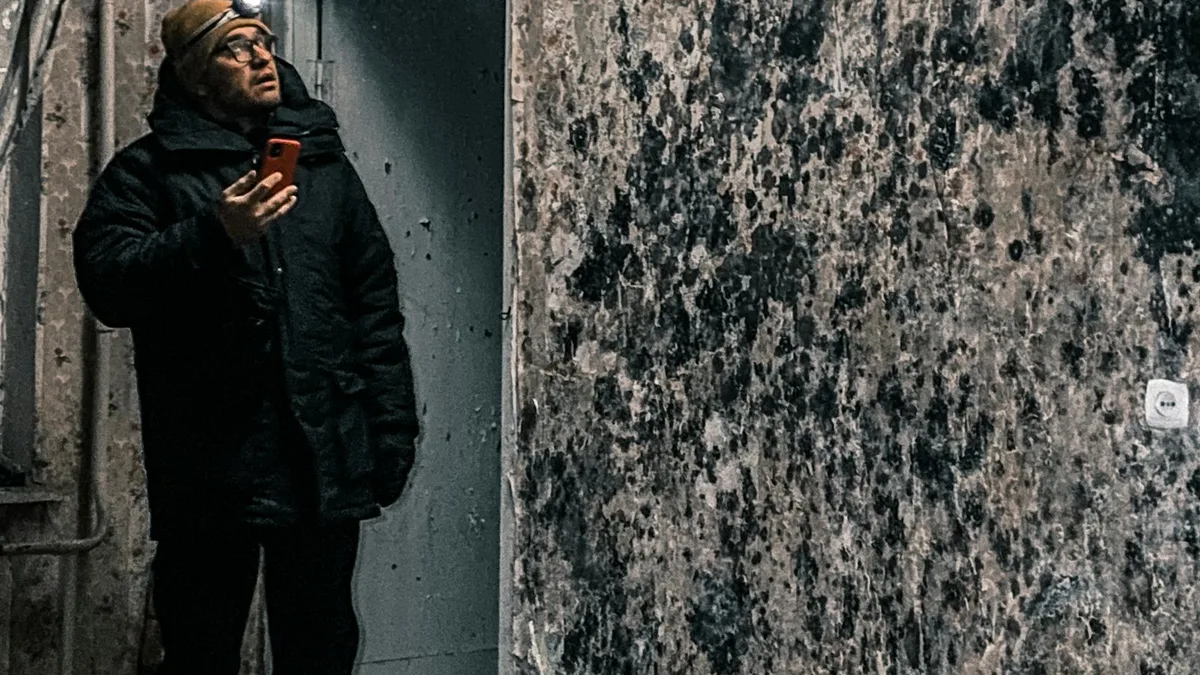
The core service: containing the affected area, removing mold and mold-damaged materials, cleaning and drying, and fixing the moisture source so it doesn't return.
Mold remediation in Denver →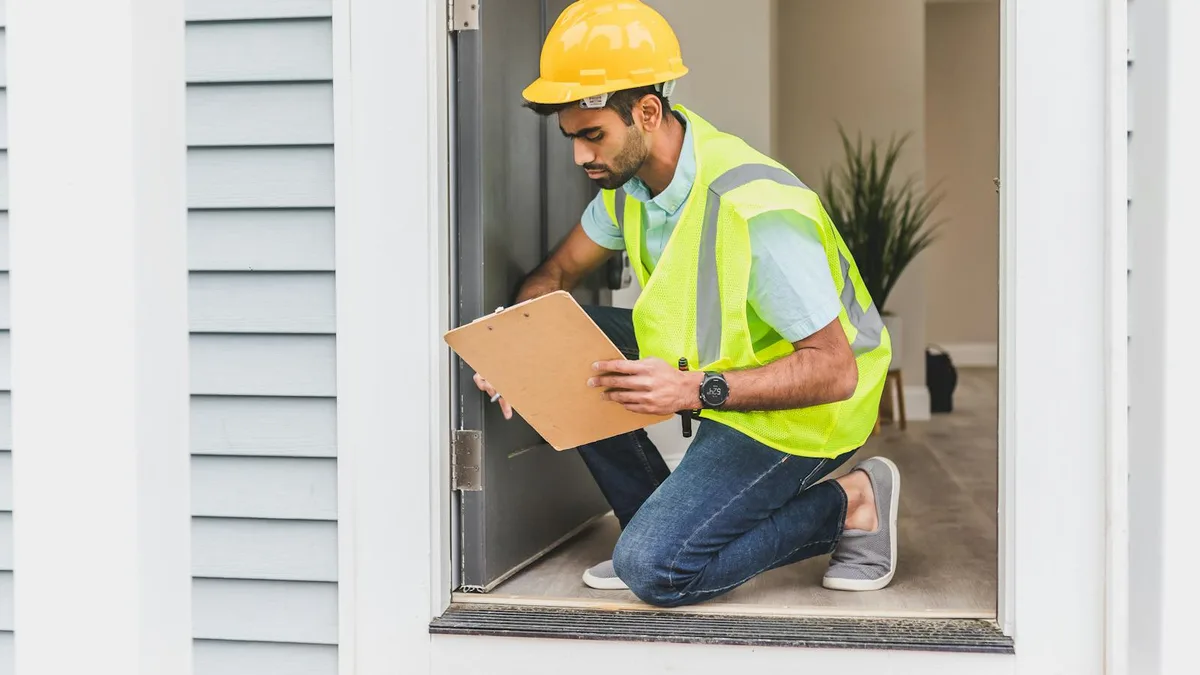
Mold Inspection & Testing
A visual assessment with moisture meters, plus optional air and surface sampling, to confirm mold, locate hidden growth, and verify a finished cleanup.
Mold inspection in Denver →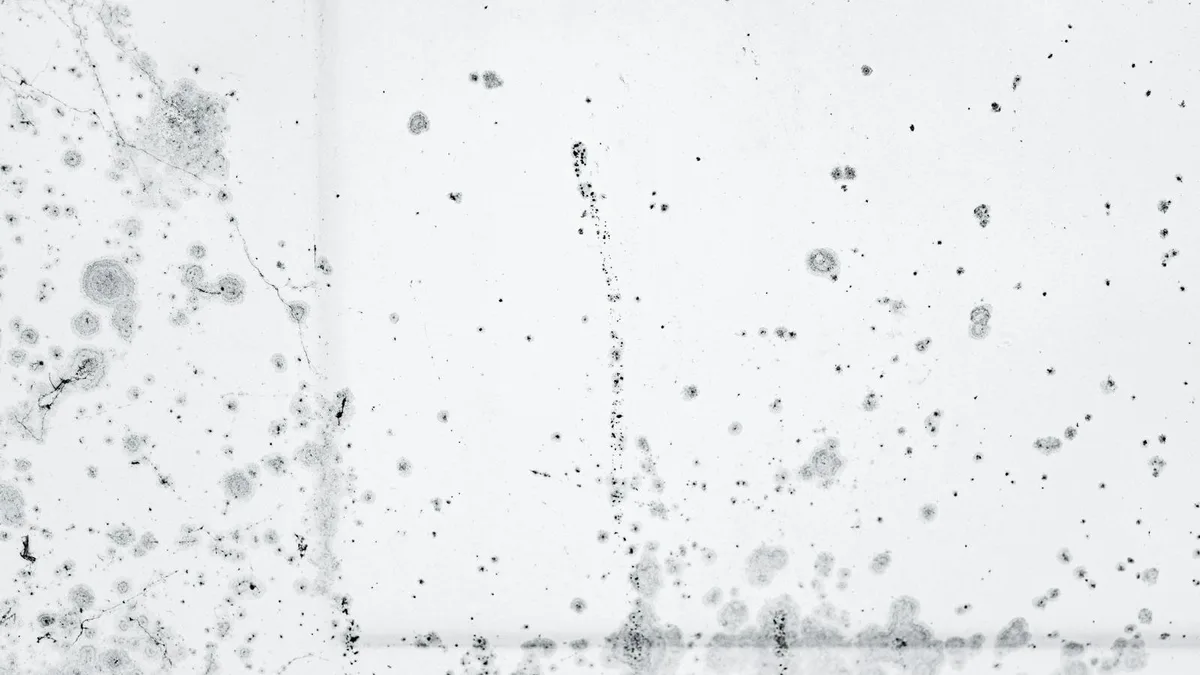
Black Mold Removal
Careful containment and removal of black mold, which grows on drywall, wood, and paper that has stayed wet for days after a leak or flood.
Black mold removal in Denver →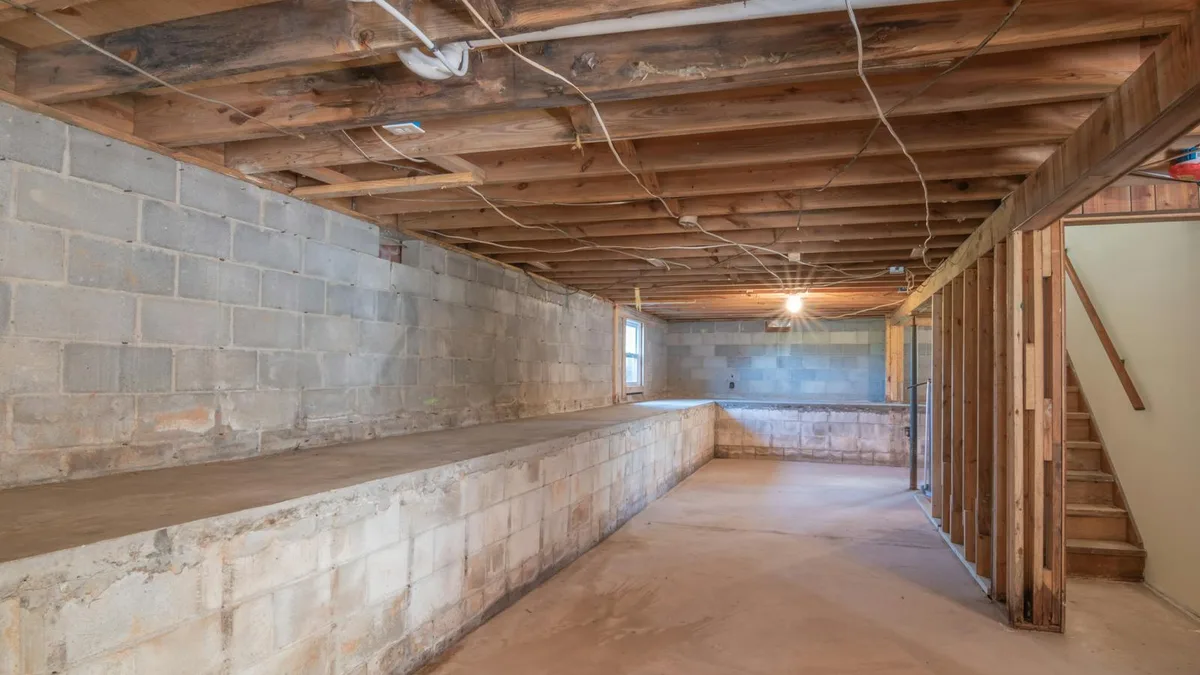
Basement & Crawl Space Mold
Removal of mold in basements and crawl spaces, where Front Range clay soil, foundation seepage, and trapped humidity make mold most common.
Basement mold removal →
Attic Mold Removal
Removal of attic and roof-deck mold caused by roof leaks, ice dams, bath fans venting into the attic, and blocked soffit ventilation.
Attic mold removal in Denver →
Not Sure What You Need?
Describe what you're seeing and we'll connect you with a contractor who can recommend an inspection, remediation, or both.
Contact Denver Remediation Pros →What professional mold remediation looks like
Most professional mold work follows the same proven sequence — the IICRC S520 standard the remediation industry is built on. Knowing the steps helps you tell a thorough contractor from a quick surface wipe that lets mold come back.
Find and stop the moisture
The leak, seepage, or humidity source is identified first — remediation without this step fails.
Contain the area
Plastic sheeting and negative air pressure with HEPA air scrubbers keep spores from spreading to clean rooms.
Remove affected materials
Mold-damaged porous materials — drywall, carpet, insulation — are removed and bagged for disposal.
Clean, treat, and dry
Remaining surfaces are HEPA-vacuumed and wiped, an antimicrobial is applied, and the space is dried completely.
Verify the result
Post-remediation testing can confirm the area is clean before walls and finishes go back.
Mold service questions, answered
What does mold remediation actually involve?
Professional mold remediation generally follows the industry's IICRC S520 standard. A contractor finds and stops the moisture source, seals off the work area to keep spores from spreading, removes mold-damaged porous materials like drywall and carpet, HEPA-vacuums and cleans surfaces, dries everything fully, and can verify the result with post-remediation testing.
Do I need mold inspection, remediation, or both?
It depends on what you know. If you can see mold and know the cause, a contractor may move straight to remediation. If mold is hidden, the source is unclear, or you want proof of the problem, start with an inspection. Many Denver homeowners do both — inspect, remediate, then test again to confirm.
How do I know if mold is behind my walls?
Hidden mold often gives itself away with a persistent musty smell, staining or bubbling paint, warped baseboards, or allergy symptoms that ease when you leave the house. A history of leaks or flooding in that spot is another clue. A mold inspection with moisture meters can confirm it without tearing the wall open.
Does homeowners insurance cover mold remediation in Colorado?
It varies by policy. Many Colorado homeowners policies cover mold when it results from a sudden, accidental, and covered water loss like a burst pipe, but commonly exclude mold from long-term leaks or deferred maintenance. Read your policy or ask your agent, and document the damage with photos before any cleanup.
How long does mold remediation take?
Most residential mold jobs take somewhere from one to several days. A small, contained area can be done quickly; a flooded basement with widespread growth takes longer, especially once drying time is included. A contractor can give you a realistic timeline after seeing the space.
Ready to deal with the mold?
Call to talk it through, or request a free quote online and a local Denver mold contractor will reach out.