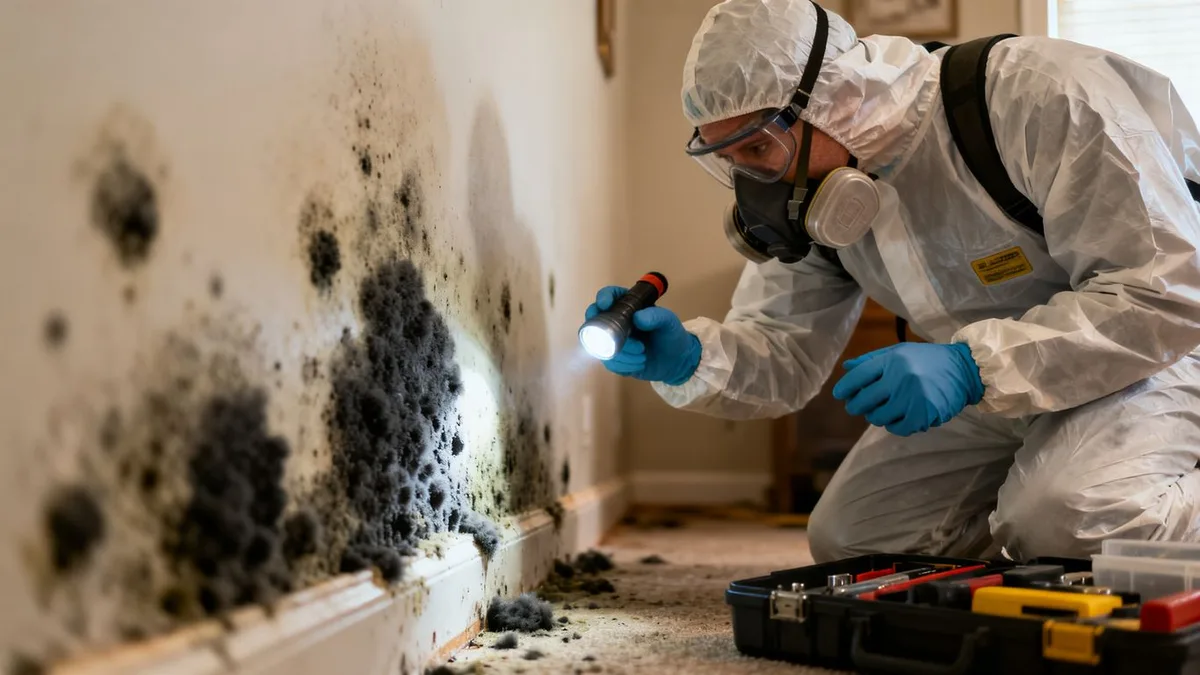
Dealing with mold in your Denver home can be a real headache. It's not just unsightly; it can affect your health and your home's structure. Figuring out the mold remediation cost in Denver for 2026 is key to getting it sorted. This guide walks you through what goes into those costs and what you can expect to pay.
Understanding Mold Remediation Costs in Denver
Figuring out the cost of mold removal in Denver, Colorado, can feel like a puzzle. Several things play a role in the final price tag, and it's not always straightforward. The average mold remediation price in Denver can swing quite a bit depending on what you're dealing with. Black mold removal, for instance, can cost Denver homeowners more because it often points to a more serious underlying issue. Basement mold remediation costs depend heavily on the size of the basement and how far moisture has spread, and attic mold removal varies the same way — it all comes down to the specifics of your home.
Factors Influencing Mold Remediation Pricing
Several factors directly impact how much you'll pay for mold remediation. It's not just about the amount of mold you see. The size of the affected area is a big one, of course. But also consider:
- Severity of the infestation: How widespread is the mold? Is it a small patch or covering large sections of walls or ceilings?
- Location of the mold: Mold in hard-to-reach places like inside walls or HVAC systems can be more expensive to remove.
- Type of mold: Some molds, like Stachybotrys chartarum (often called black mold), can require more specialized removal techniques.
- Underlying moisture source: If the mold is due to a leaky pipe or a persistent water intrusion, fixing that source is part of the remediation cost.
- Materials affected: Drywall, wood, carpet, or insulation all behave differently — some are harder to clean and may need replacement.
Denver's climate, with its dry air but also potential for rapid moisture buildup from snowmelt or plumbing issues, creates a unique environment for mold. That means understanding the specific causes in your home is key to accurate pricing.
The Impact of Denver's Climate on Mold Growth
Denver's climate is known for being dry, but that doesn't mean mold isn't a problem. In fact, the rapid temperature swings and seasonal changes can actually contribute to mold growth indoors. Condensation on windows and walls during colder months, or moisture from spring snowmelt seeping into foundations, can create the perfect breeding ground. This means that even if you don't see obvious water damage, hidden moisture can lead to mold issues that need professional attention. Getting a quote from a local company is a good first step to understand potential costs. Denver Remediation Pros can help connect you with contractors for inspections and quotes.
Health Risks Associated with Mold Exposure
Beyond the cost, it's important to remember why mold remediation matters in the first place. Mold exposure can lead to a range of health problems, especially for those with allergies, asthma, or weakened immune systems. Symptoms can include:
- Respiratory issues like coughing, wheezing, and shortness of breath
- Allergic reactions such as sneezing, itchy eyes, and skin rashes
- Headaches and fatigue
- More severe reactions in sensitive individuals
Dealing with mold promptly isn't just about protecting your property value; it's about safeguarding the health of everyone living in your home. Professional mold remediation services in Denver follow strict protocols to safely remove mold and address the source, which is vital for a healthy living environment. Professional remediation helps make sure the problem is solved effectively.
Key Components of Mold Remediation Services
When you're dealing with mold, it's not just about wiping away the visible stuff. A proper remediation job involves several distinct steps to make sure the problem is truly solved. It's a process, and understanding these parts helps you know what to expect from professionals.
Comprehensive Mold Inspections and Testing
Before any work begins, a thorough inspection is a must. This isn't just a quick look-around. Professionals use specialized tools and techniques to find all the mold, even in hidden spots like behind walls or under flooring. They'll likely perform air sampling to check spore counts in the air and surface sampling to identify the specific types of mold present. This testing is important because different molds can have different health impacts and require slightly different removal methods. Getting a clear picture of the extent and type of mold is the foundation for an effective remediation plan.
Containment and Safe Removal Protocols
Once the inspection is done and the plan is set, containment is the next big step. This means setting up barriers, often using plastic sheeting and negative air pressure machines, to prevent mold spores from spreading to other parts of your home during the removal process. It's all about isolating the affected area. Then comes the actual removal, which involves carefully taking out contaminated materials like drywall, insulation, or carpeting. Professionals follow strict guidelines, like those from the EPA, to handle and dispose of this material safely. They use HEPA vacuums and specialized cleaning agents to clean up any remaining spores.
Addressing the Root Cause of Moisture Intrusion
This is arguably the most critical part of the whole process. Simply removing the mold without fixing why it grew in the first place is like putting a band-aid on a broken bone. Remediation companies need to identify and repair the source of the moisture. This could be anything from a leaky pipe, a faulty appliance, or condensation issues to problems with your home's foundation. Without addressing the moisture, the mold will just come back. Professionals will often provide recommendations on how to prevent future moisture problems, which is key for long-term peace of mind. For help finding local experts who can tackle these issues, you can look into Denver remediation pros serving your area.
It's easy to think of mold remediation as just cleaning. But it's a multi-stage process that requires careful planning, specialized equipment, and a focus on preventing recurrence. Understanding these components helps you work with remediation companies and make sure you're getting a complete solution, not just a surface fix.
Estimating Your Mold Remediation Budget
Figuring out the cost of mold remediation in Denver can feel a bit like a guessing game, but there are some clear ways to get a handle on it. The size of the affected area is usually the biggest factor. Think about it: a small patch on a bathroom ceiling is a lot less work than mold spreading through an entire basement. Different companies might charge by the square foot, or they might have a base rate that goes up depending on how widespread the problem is.
Pricing Based on Affected Area Size
When you're looking at quotes, you'll see prices often tied to the square footage of the mold growth. For a small, contained issue, say under 10 square feet, you might be looking at costs starting around $500. But if mold has taken over a larger section of drywall or spread into multiple rooms, the price can jump significantly. For bigger jobs, like dealing with mold in a whole house or even the HVAC system, costs can easily climb into the thousands, sometimes $6,000 or more. It really depends on how much material needs to be removed and cleaned.
Cost Variations for Different Mold Types
While the size of the problem is key, the type of mold can also play a role, though it's less about the mold itself and more about the implications of that mold. If you have a common, non-toxic mold, the remediation process might be more straightforward. However, if testing reveals more hazardous types, like Stachybotrys chartarum (often called black mold), professionals will take extra precautions. This can involve more specialized containment, personal protective equipment, and disposal methods, which add to the overall cost. It's not that the mold itself is more expensive to remove — it's that the safety protocols required are more intensive.
The Role of Home Size in Inspection Costs
Before remediation even begins, you'll likely need an inspection and testing to understand the scope of the problem. The size of your home directly impacts inspection costs. A larger house means more areas to check, more air samples to collect, and more time for the inspector to spend on-site. A typical inspection for a standard-sized home (around 1,500–2,500 sq ft) might range from $400 to $700, and that usually includes lab analysis of samples. For bigger properties, expect those inspection fees to be higher. It's a necessary step to get an accurate picture before tackling the remediation itself. Getting multiple quotes for inspections is a good idea, just like with remediation services.
It's important to remember that while DIY test kits are available, they often don't provide the detailed analysis or documentation needed for insurance claims or legal purposes. Professional inspections, though more costly, offer a thorough assessment and peace of mind.
Here's a general idea of what you might expect for mold remediation in the Denver area:
| Project size | Typical Denver-area range |
|---|---|
| Small area (under 10 sq ft) | $500 – $1,500 |
| Medium area (10–50 sq ft) | $1,500 – $4,000 |
| Large area (over 50 sq ft) or whole home | $4,000 – $10,000+ |
| HVAC system remediation | $2,000 – $7,000+ |
Keep in mind these are just estimates. Severe cases, like those involving structural damage or extensive water intrusion, can push costs much higher. Always get detailed quotes from qualified professionals.
Want a real number for your home?
Estimates only go so far. The fastest way to know what your job will actually cost is a free, no-obligation quote from a local Denver mold contractor.
Common Sources of Mold in Denver Properties
Even though Denver is known for its dry climate, mold can still find a cozy spot to grow in your home. It doesn't take much — just a little bit of moisture and an organic food source, and suddenly you've got a problem. Understanding where mold likes to hide is the first step in keeping your home healthy.
Plumbing Leaks and HVAC Issues
Leaky pipes are a classic culprit, and they aren't always obvious. A slow drip behind a wall or under a floor can go unnoticed for ages, creating a perfect damp environment for mold. Your heating, ventilation, and air conditioning (HVAC) system can also be a source. Condensation can build up in the ductwork or around the unit itself, especially if the drain line gets clogged. That moisture can then spread throughout your house.
Condensation and Ventilation Deficiencies
Condensation is a big one in Denver, particularly during those temperature swings we get. Think about your windows in the winter — that foggy film is moisture. If it's happening regularly, especially in areas like bathrooms or kitchens without good ventilation, mold can start to form on walls, ceilings, and around window frames. Poor ventilation means moist air just hangs around, giving mold the time and conditions it needs to grow.
Basement Moisture and Foundation Intrusion
Basements are notorious for mold. They're underground, which means they're more susceptible to moisture seeping in through the foundation walls. Denver's freeze-thaw cycles can put stress on foundations, potentially creating tiny cracks where water can enter. Add to that any potential for groundwater issues or even a leaky washing machine hose, and you've got a recipe for mold. Keeping an eye on your basement's humidity is really important.
Mold spores are everywhere, floating around in the air. They're not a problem until they land on a damp surface and have something to eat. That's why controlling moisture is so key to preventing mold growth in your home.
Preventing Future Mold Growth After Remediation
So, you've gone through the whole mold remediation process. That's a relief, right? But here's the thing: just cleaning up the mold isn't the end of the story. If you don't tackle what caused it in the first place, you're just setting yourself up for round two. It's like mopping up a spill without fixing the leaky pipe — the puddle will just come right back.
Humidity Control and Ventilation Strategies
Keeping the air in your home from getting too damp is super important. In Denver, the air can be dry outside, but inside, things like cooking, showering, and even just breathing add moisture. Using a dehumidifier, especially in basements or other damp areas, can make a big difference. Make sure your bathrooms and kitchen have working exhaust fans that actually vent outside, not just into the attic. Sometimes, just opening a window for a bit after a shower can help clear out that humid air. It's all about keeping indoor humidity below 60%, ideally between 30% and 50%.
Moisture Monitoring Systems
For those areas that are just prone to moisture issues, like basements or around certain appliances, a little extra vigilance goes a long way. You can get simple, inexpensive moisture meters that you stick into walls or floors to check for dampness. Some more advanced systems can even alert you if humidity levels spike or if a small leak starts. It's like having a little early-warning system for potential mold problems. This is especially helpful if you've had issues before or live in an older home.
Tailored Prevention Recommendations for Denver Homes
What works for one house might not be the perfect fit for another, especially here in Denver. The dry climate can be deceiving — condensation on windows or in poorly ventilated attics can still cause problems. A local mold contractor will look at your specific situation, like whether your basement tends to get damp or your HVAC system is adding moisture, and recommend steps that actually fit your home. Sometimes it's as simple as keeping your gutters clear or making sure your dryer vent isn't clogged. For more persistent issues, a contractor might suggest better insulation or minor upgrades to the ventilation system. The goal is to make your home less inviting for mold, permanently.
Dealing with mold is a pain, no doubt about it. But taking these steps after the cleanup means you're not just fixing a problem, you're preventing a headache down the road. It's about creating a healthier living space for you and your family.
Professional Mold Remediation vs. DIY Approaches
When you find mold in your Denver home, the big question is: do you tackle it yourself or call in the pros? It's a common dilemma, and honestly, the answer isn't always straightforward. For really small, surface-level spots, a DIY approach might seem tempting, especially if you're trying to save a buck. You can grab a kit from the store, watch a few videos online, and think you're good to go. But here's the thing: mold can be sneaky. It doesn't always stay on the surface where you can see it.
Benefits of IICRC-Certified Technicians
Professionals certified by the IICRC (Institute of Inspection, Cleaning and Restoration Certification) have gone through specific training. That means they know the proper ways to handle mold, not just the visible stuff. They understand how to contain the area so spores don't spread to other parts of your house, which is a huge deal. They also have the right equipment, like specialized vacuums and air scrubbers, that you just can't get at a regular hardware store. This specialized knowledge and equipment make a big difference in getting the job done right.
Why Professional Remediation Is Crucial
Think about it: mold isn't just an eyesore; it can affect your health. If you don't remove it completely, or if you spread spores around while trying to clean it up, you could end up with bigger problems down the line. This is especially true in Denver, where the climate can sometimes make moisture issues worse. Professionals can identify the source of the moisture, which is key to stopping mold from coming back. They also provide documentation, which can be important if you ever need to sell your home or deal with insurance. Getting a professional inspection is a good first step to understand the scope of the problem. Finding qualified local experts can give you peace of mind.
Getting an Independent Inspection
Some companies offer both inspection and remediation services, which can be convenient. It's still worth being aware that an independent inspection — done by someone whose only job is to assess the situation — gives you an unbiased picture of what's really going on. With that report in hand, you can request quotes from remediation companies and compare them with confidence, so you're only paying for the work you truly need. A thorough mold inspection in Denver should give you a clear, objective starting point.
Dealing with mold can be tricky. While some people try to clean it up themselves, professional mold removal is often the safest and most effective choice — the right tools and training get rid of mold completely and help keep it from coming back. If you're facing a mold problem, call (720) 782-7440 or request a free quote to get connected with a local pro.
Wrapping Up: Your Denver Mold Remediation Budget
So, we've gone over the numbers for mold remediation in Denver for 2026. It's clear that costs can really add up, depending on how big the problem is and where the mold is hiding. Remember, dealing with mold isn't just about looks; it's about keeping your home healthy. While it might seem like a lot upfront, getting professional help to fix the root cause — not just the surface mold — is usually the smartest move long term. That way, you're not just cleaning up a mess, you're preventing future headaches and keeping your Denver home safe and sound. Always get a few quotes and understand exactly what you're paying for.
Frequently Asked Questions
What factors make mold cleanup cost more in Denver?
The size of the moldy area is a big factor. Also, where the mold is growing and how much of it there is plays a role. Sometimes the type of mold can affect the price too. Denver's weather, with its quick changes and moisture, can also make mold grow faster, leading to more work.
How much does professional mold removal typically cost?
For a small, easy-to-reach spot, it might cost around $500. But if mold has spread a lot, like in a whole house or the air system, it could cost $6,000 or even more. Really bad situations, like after a flood or in hard-to-reach places, can go way up, sometimes over $20,000. These are general Denver-area estimates, not a quote.
Why is it important to fix the source of moisture, not just remove the mold?
Mold needs moisture to grow. If you only clean the mold but don't fix what's making things wet, like a leaky pipe or poor ventilation, the mold will just come back. Fixing the problem at its source is key to stopping mold for good.
Can mold make people sick, and what are the risks?
Yes, mold can cause health problems. It can lead to breathing issues, stuffy noses, skin rashes, headaches, and tiredness. People with allergies, asthma, or weak immune systems are more likely to get sick from mold.
What's the difference between a DIY mold cleanup and hiring a pro?
DIY might seem cheaper for small jobs, but it's risky. Pros have special gear and training to remove mold safely without spreading spores. They also know how to find and fix the moisture problem. Hiring certified pros helps ensure the job is done right and safely.
How can I prevent mold from coming back after it's cleaned?
The best way is to control moisture and humidity. Make sure your home is well-ventilated, especially in bathrooms and kitchens. Fix any leaks right away. Using a dehumidifier can help, and keeping an eye on humidity levels with a monitor is a smart move.
Prices in this guide are general Denver-area estimates for planning purposes and are not a quote. Actual cost depends on your home and the scope of work. Denver Remediation Pros is a lead-generation service that connects homeowners with independent, licensed, and insured local mold contractors, who provide their own pricing. Back to all articles.